Iceland is a destination like no other. Here, volcanoes and glaciers shape the land, waterfalls crash into canyons, and geothermal steam rises from the earth. Every road feels like an adventure, and every season offers something unique. But before you set off to explore this island at the edge of the Arctic, it’s helpful to know a few things you should know before travelling to Iceland to make your trip smoother and even more memorable.
1. The Weather Has a Mind of Its Own
Iceland’s weather is famously unpredictable. You may wake up to blue skies, encounter rain or snow by lunchtime, and finish the day under glowing sunshine again. Locals like to say: “If you don’t like the weather, just wait five minutes.”
The golden rule is to dress in layers: a breathable base layer, a warm mid-layer, and a waterproof, windproof outer shell. Don’t forget sturdy shoes, since slippery trails near waterfalls or glaciers are common. With the right clothing, you can enjoy the outdoors in comfort, no matter what the skies decide.
2. Iceland Is Almost Completely Cashless
You don’t need to bring much cash (if any at all). Credit and debit cards are accepted everywhere, including supermarkets, gas stations, restaurants, cafés, and even public restrooms. This makes travelling around the island very convenient. Just make sure your card has a PIN number, since many automated machines will require it.
3. Driving and Petrol Stations: Long Distances Without Settlements
One thing that often surprises visitors is how remote some areas of Iceland can be. Once you leave Reykjavík or larger towns, it’s common to drive for hours without passing through a village. Services such as petrol stations can be few and far between, (especially in the Westfjords and the Highlands) so it’s wise to refill when your tank is half full. Also, shops and restaurants can be hard to find, so bring water and some snacks with you. This makes planning essential.
Don’t underestimate how long a journey might take, not only because of the distance but also because you’ll want to stop frequently for photos. The sense of isolation is part of Iceland’s magic, but being prepared will ensure it feels like freedom rather than a challenge.
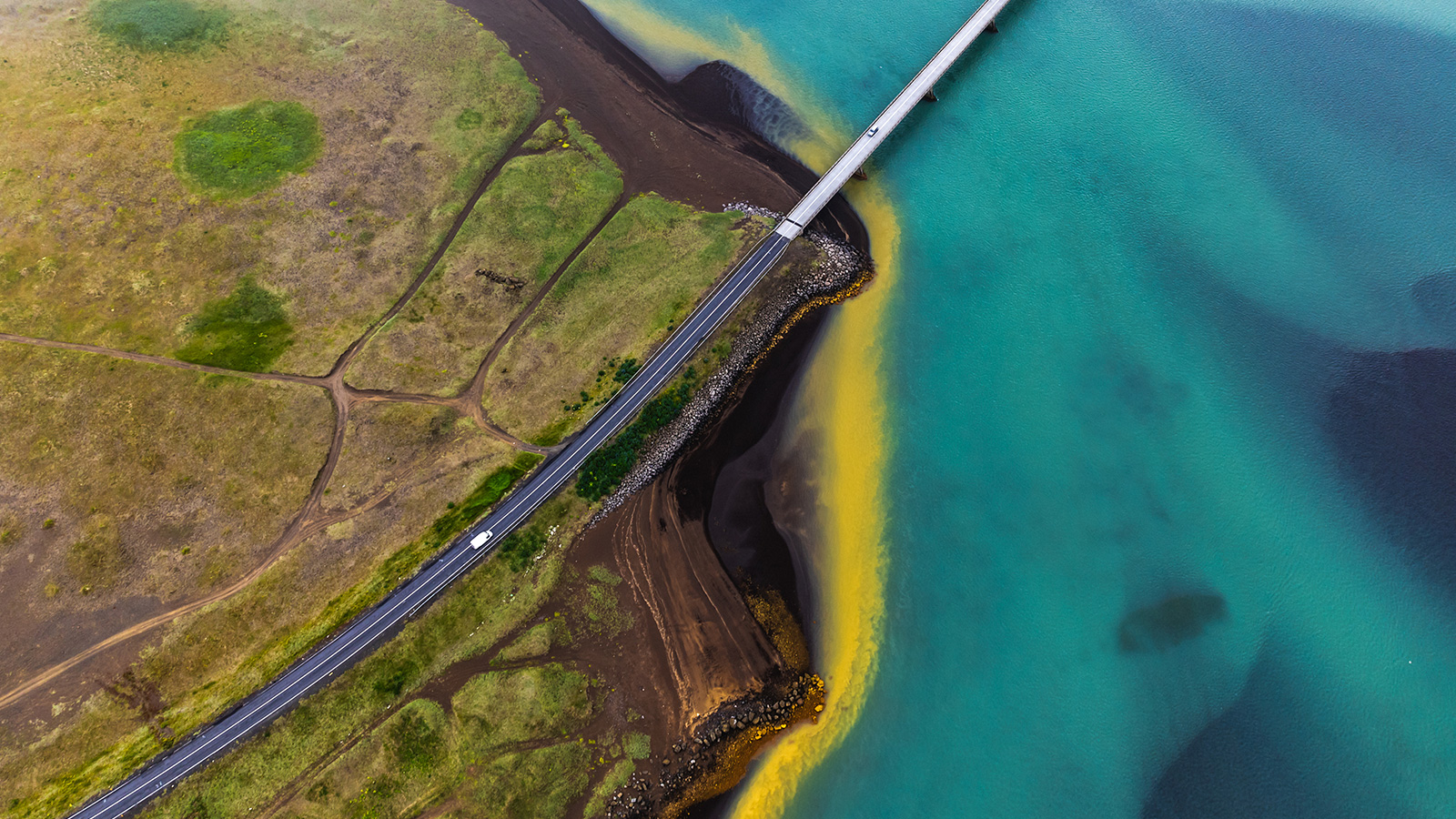
Be aware of gravel roads, single-lane bridges, and rapidly changing road conditions. If you’re not comfortable with winter driving, our guided tours are the safer and more relaxed option
4. Respect Nature: It’s Precious but Wild
Iceland’s landscapes may look wild and untouched, but they are also extremely fragile and, at times, dangerous. What makes this country so breathtaking is also what makes it unpredictable. Always stay on marked paths and never drive off-road: a single tyre mark on moss can last for decades, and stepping off a trail can damage delicate ecosystems that have taken centuries to form.
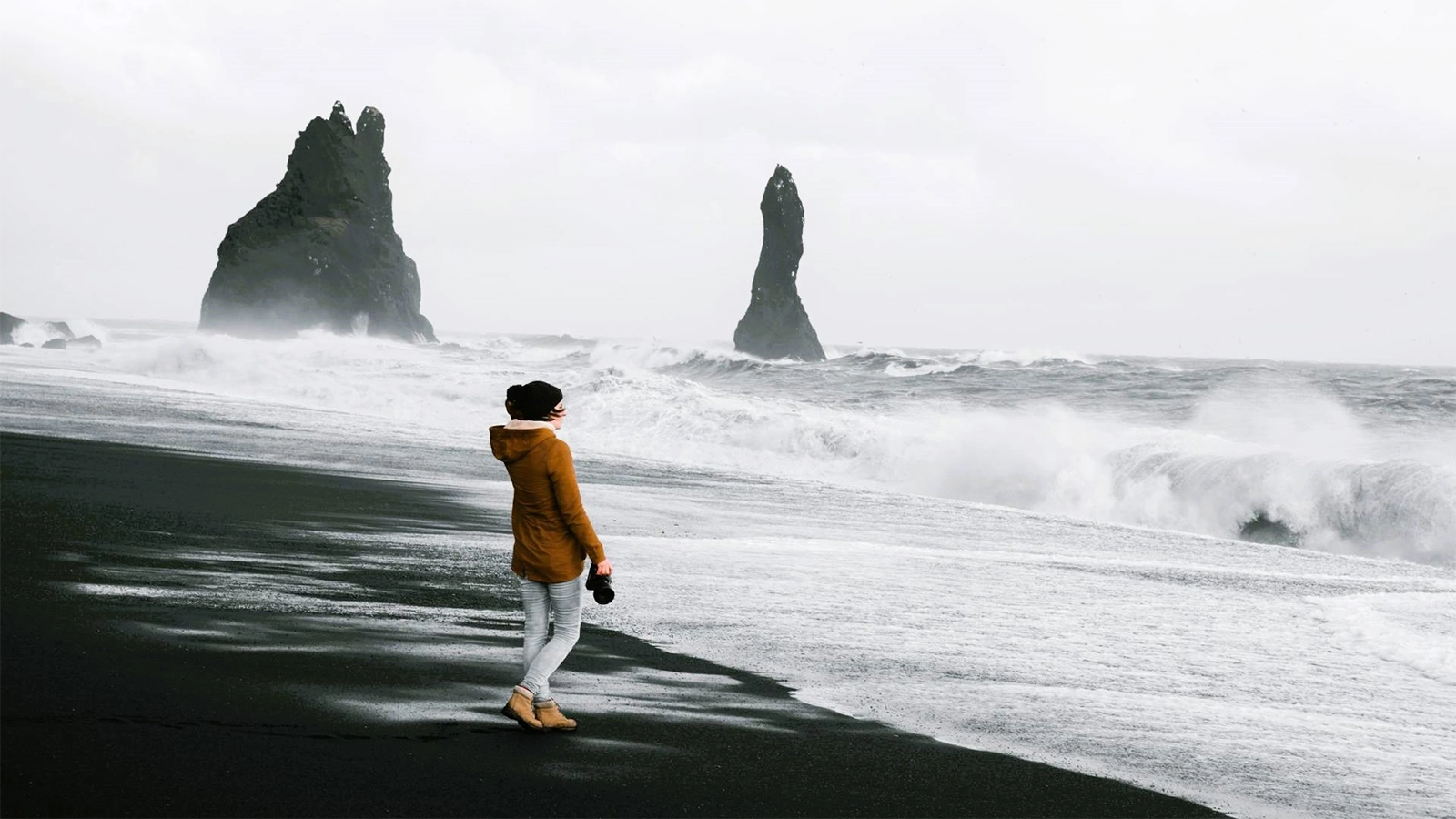
Equally important is your safety. Warning signs are not suggestions: they are there because lives have been lost. Cliffs can be unstable, and the wind along the coast can be much stronger than you expect. Glaciers are ever-changing, with hidden crevasses and ice that can shift without warning. And beaches, particularly Reynisfjara with its famous black sand and basalt columns, are among the most dangerous places in Iceland. Sneaker waves there have taken lives in just seconds, even when the sea looks calm.
Respecting nature in Iceland is about more than protecting the environment: it’s about protecting yourself. By travelling responsibly, you not only help preserve these wonders for future generations, but you also ensure that your memories of Iceland are filled with awe and inspiration, not accidents or close calls.
5. Daylight and Darkness: Both Have Their Magic
The amount of daylight changes dramatically with the seasons. In summer, the Midnight Sun means you can hike or explore at 11pm without needing a torch. In winter, the days are short, but the long nights create the perfect stage for aurora hunting. Both seasons offer unforgettable experiences, it simply depends on what you’d like to see.
6. Food and Drink in Iceland
Icelandic cuisine is simple, fresh, and satisfying. Lamb and fish are staples, and you’ll also find traditional soups, skyr (a local yoghurt), and modern twists in Reykjavík’s buzzing restaurants. Eating out can be expensive, so many travellers mix restaurant visits with picnics or snacks from supermarkets. And don’t forget to try an Icelandic hot dog (a local favourite). We recommend you take a look at our blog post: Traditional Icelandic food: what to eat in Iceland and where to find it.
7. Hot Springs and Pools
Swimming pools and hot springs are part of daily life in Iceland. Every town has a local pool with warm water and hot tubs, often heated by geothermal energy. They are not just for swimming, but they’re social hubs where locals meet and relax. Visiting one is a great way to experience Icelandic culture. Read the post at the following link to learn about our top 6 hot spring lagoons in Iceland.
8. Wi-Fi and Connectivity
Surprisingly, Iceland is very well connected. Free Wi-Fi is common in cafés, hotels, and even on buses. Mobile coverage is excellent in most areas, though it may drop in remote highlands. If you’re renting a car, consider a local SIM card or portable Wi-Fi for easy navigation.
9. When to Visit?
There’s no “bad” time to come, just different experiences.
- Summer (June–August): Midnight Sun, mild weather, easy driving, endless hiking opportunities.
- Winter (September–April): Long nights, northern aurora, snowy landscapes, fewer crowds.
- Shoulder seasons (May and September): A mix of both worlds, with fewer tourists and beautiful light for photography.
In the post linked below, we’ll give you all the details about the best time to visit Iceland based on your travel plans and preferences. Check it out!
10. Tours and Experiences
Some places in Iceland are best explored with a local guide. Joining a small group tour lets you relax, learn stories about the land, and discover Iceland’s hidden gems you might otherwise miss. Whether it’s standing inside a lava cave, tasting tomatoes in a greenhouse, or watching the aurora with hot chocolate in hand. These moments make the journey truly special.
Final Thoughts
Travelling to Iceland isn’t just about checking famous landmarks off a list. It’s about feeling the spray of a waterfall on your face, listening to the crackling of a glacier, and sharing stories under the northern lights. Being prepared will help you embrace every moment.
With EastWest, you can experience Iceland in small groups with local guides who love to share the magic of this country. From the Golden Circle and South Coast to the Snæfellsnes Peninsula and our unforgettable Northern Lights tours, we make sure every detail of your trip is personal, authentic, and memorable.
Want to dive deeper not to miss any crucial information before travelling to Iceland? Check out our other blog posts “Traveler Safety in Iceland” and “Travel Documents for Visiting Iceland”.